Spinal Decompression Therapy in Bowie and Gambrills, MD
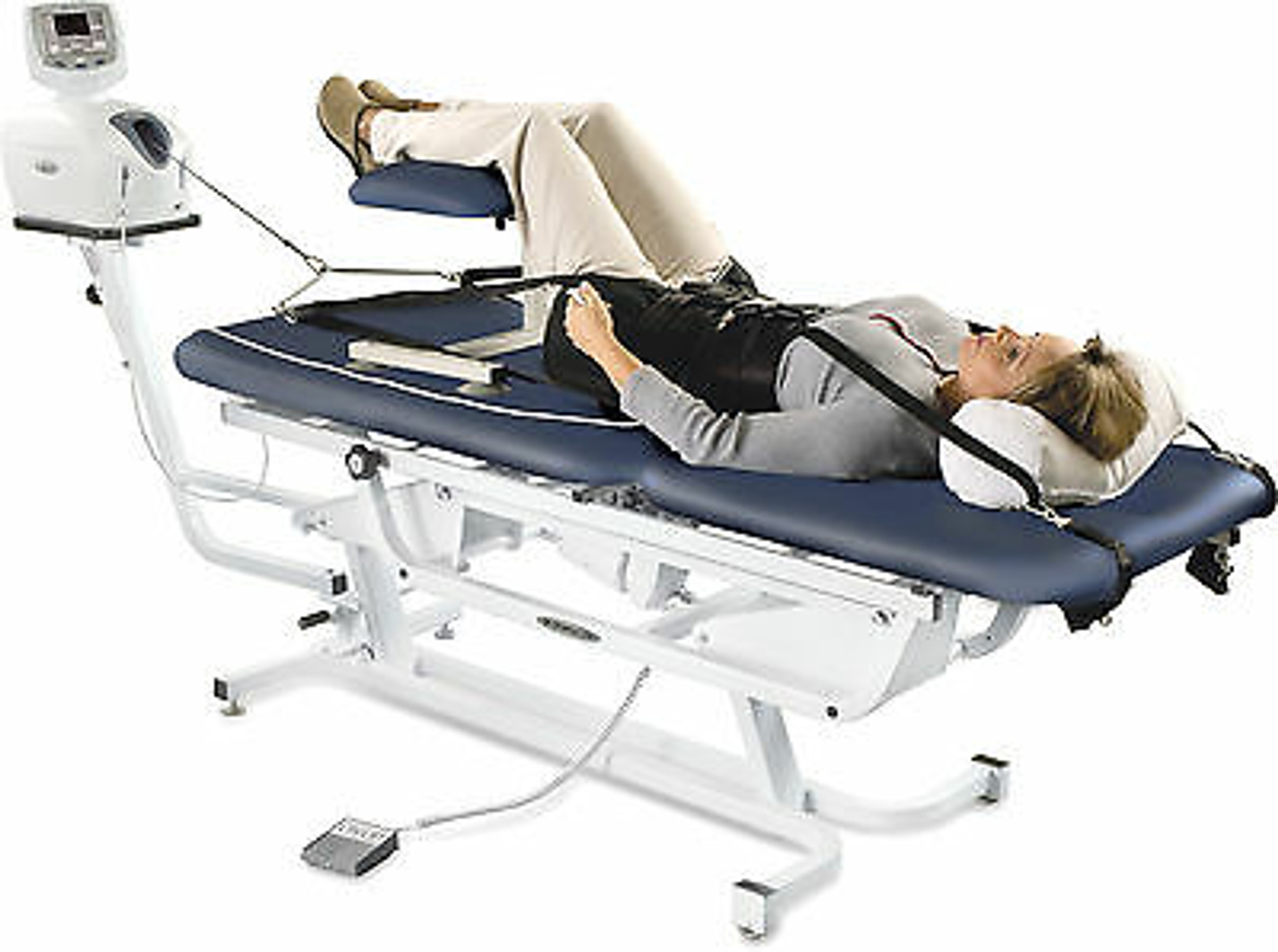
Spinal Decompression Therapy at DeMaio Family Chiropractic & Physical Therapy offers a gentle, non-surgical approach to relieving disc-related pain in the neck and lower back. Using advanced systems—including the D.O.C. (Dynamic Orthopedic Compression) table and the Chattanooga Triton DTS—we create controlled cycles of spinal stretching that help reduce pressure on irritated discs and nerves.
This type of therapy may be especially helpful for patients dealing with herniated or bulging discs, sciatica, degenerative disc changes, or persistent neck and lower back discomfort. Each treatment plan is tailored to the individual, with the goal of improving spinal mechanics, reducing irritation around affected structures, and helping patients move more comfortably without surgery.
What Is Spinal Decompression? Spinal decompression therapy is a non-surgical treatment option designed to help relieve pressure on irritated spinal discs and nerves. At DeMaio Family Chiropractic & Physical Therapy, our Bowie and Gambrills clinics use advanced, FDA-cleared decompression technology to help patients dealing with herniated discs, bulging discs, degenerative disc disease, sciatica, spinal stenosis, facet joint irritation, chronic neck pain, low-back pain, and nerve compression.
This therapy works by gently and precisely stretching the spine in a controlled manner. The goal is to reduce pressure within the affected disc area, support improved disc hydration, encourage nutrient exchange, and ease irritation around sensitive nerve structures. For many patients, decompression offers a conservative option before considering more invasive procedures.
Scientific studies have examined non-surgical spinal decompression for lumbar disc herniation, low-back pain, leg pain, disc height, and disc-related symptoms. The research is not a promise of results for every patient, but it does support decompression as a meaningful conservative treatment option for properly selected cases. That is why candidacy matters. Your evaluation may include a review of symptoms, exam findings, injury history, imaging, severity of degeneration, and overall health.
Most decompression sessions last approximately 20–30 minutes. Many patients describe the experience as calm and relaxing, and some become comfortable enough to fall asleep during treatment. Depending on your condition, decompression may be paired with chiropractic care, Class IV laser therapy, soft-tissue support, or customized rehabilitation exercises to help improve mobility, stability, and long-term function.
Our clinics primarily use D.O.C. spinal decompression technology and the Chattanooga Triton DTS system, with a limited number of DRX units available for specific cases where that traction style may be appropriate. If you are unsure whether decompression may be right for you, our 11-Question Spine Health Quiz offers a quick starting point.
With personalized decompression options and convenient locations in Bowie and Gambrills, DeMaio Family Chiropractic & Physical Therapy is committed to helping patients move more comfortably, function better, and return to the activities they love.
Are You A Candidate For Spinal Decompression?
It’s quick and simple — Just answer 11 Yes-or-No questions.
Dr. DeMaio will personally review your responses to determine if you’re a candidate for spinal decompression. A member of our team will then contact you to discuss the next step.
Don’t forget to complete the contact form at the end so we know how to reach you.

Non-Surgical Relief for Herniated Discs in Bowie and Gambrills
Back pain, disc degeneration, nerve irritation, and radiating symptoms can slowly change the way you move, work, sleep, and live. For many patients, the most frustrating part is the feeling of limitation—fewer comfortable positions, reduced mobility, disrupted sleep, and the sense that something inside the spine is not functioning the way it should. Spinal decompression therapy is designed to help address these issues by reducing pressure at the disc level, easing irritation around sensitive nerves, and supporting better spinal mechanics.
At our Bowie and Gambrills clinics, spinal decompression is not treated as a one-size-fits-all procedure. It is a personalized, non-surgical therapy delivered through advanced systems including the D.O.C. (Dynamic Orthopedic Compression) table, the Chattanooga Triton DTS, and—in select cases—a limited number of DRX units. Having access to different decompression systems allows us to better match the treatment style to the patient’s anatomy, diagnosis, comfort level, and response to care.
How Spinal Decompression Works
Spinal decompression gently stretches targeted areas of the spine in a controlled, precise manner. When spinal discs are under constant load from injury, aging, posture, repetitive strain, or degeneration, they may bulge, thin, or contribute to irritation around nearby nerves. Decompression therapy uses carefully controlled traction cycles to reduce pressure within the affected area and create a more favorable environment for disc hydration, circulation, and nutrient exchange.
Unlike basic traction, modern spinal decompression is designed to cycle between gentle stretching and relaxation phases. This helps reduce muscle guarding and allows treatment to remain comfortable while targeting the involved spinal region. Most patients describe the experience as calm and relaxing, and many become comfortable enough to doze off during treatment.
Spinal decompression cannot reverse advanced arthritis, long-standing spondylosis, or every structural change in the spine. However, for properly selected patients, it may help reduce disc-related pressure, improve mobility, calm nerve irritation, and make daily activities more manageable.
Our Spinal Decompression Technology
The technology behind decompression therapy matters because comfort, positioning, traction control, and spinal targeting can all affect the treatment experience. At DeMaio Family Chiropractic & Physical Therapy, our clinics use multiple decompression systems so care can be better matched to the patient rather than forcing every condition into the same machine or protocol.
The D.O.C. Table
The D.O.C. table is our primary spinal decompression system. It is designed to provide controlled decompression with positioning and traction settings that can be adjusted based on the patient’s condition, body type, and treatment goals. This allows the clinical team to focus care on the spinal region involved while keeping the experience as comfortable as possible.
The Chattanooga Triton DTS
The Chattanooga Triton DTS system provides smooth, controlled traction for patients who may benefit from a more traditional decompression approach. Its lumbar and cervical positioning options make it useful for patients with disc-related neck or lower-back conditions, including cases where multiple spinal levels may be involved.
Selective DRX Use
A limited number of DRX units are also available for specific cases where that traction style may be appropriate. DRX is not the center of our decompression program, but it remains a useful option when a patient’s condition, imaging, or response to care suggests that this approach may be a good fit.
Conditions Spinal Decompression May Help Address
Patients often consider spinal decompression after dealing with persistent pain, limited mobility, or symptoms that have not responded well to rest, medication, injections, massage, or other conservative care. Decompression may be considered for conditions such as:
- Lumbar or cervical disc bulges
- Herniated discs
- Degenerative disc disease
- Sciatica and nerve-root irritation
- Spinal stenosis
- Facet joint irritation
- Chronic neck pain
- Chronic lower-back pain
- Nerve compression or radiating symptoms
- Disc-related muscle guarding or spasms
If you are unsure whether your symptoms fit, our 11-Question Spine Health Quiz offers a quick starting point before scheduling a consultation.
What a Typical Spinal Decompression Session Looks Like
During a decompression session, you lie comfortably on the treatment table while the system applies carefully calibrated traction cycles. The treatment should not involve pulling, jerking, or painful force. Most sessions last approximately 20–30 minutes, depending on the condition being treated and the specific decompression protocol used.
Depending on your needs, spinal decompression may be paired with other conservative therapies available within the practice. These may include chiropractic care to improve joint motion, Class IV laser therapy to support irritated tissues, physiotherapy modalities, soft-tissue care, or stabilization exercises to help improve long-term spinal support.
Your program is customized based on the severity and age of the injury, your medical history, your exam findings, available imaging, and how your body responds during the early stages of care.
Are You a Candidate for Spinal Decompression?
Not everyone needs spinal decompression, and not every spinal condition is appropriate for it. During your consultation, Dr. John DeMaio will evaluate your history, examine your spine, review imaging if available, and discuss your symptoms and goals to determine whether decompression may be appropriate.
Candidacy may depend on the type of disc problem, the severity of degeneration, the presence of nerve symptoms, prior surgeries, overall health, and whether your symptoms match the patterns commonly addressed with decompression therapy. A careful evaluation helps determine whether decompression should be part of your care plan or whether another treatment approach would be more appropriate.
If you want a simple starting point before scheduling, begin with our 11-Question Spine Health Quiz to see whether your symptoms may align with common decompression candidates.